
Attorneys and lawyers are different terms for the same profession, which is a legal expert who represents clients in legal matters. The terms attorney and lawyer are often used interchangeably, but both refer to professionals who practice law and provide legal advice and representation to clients.
:max_bytes(150000):strip_icc()/powerofattorney-ff589039a330409982319bb5d65f2d7b.png) |
| Attorney vs. lawyer: comparing definitions |
Attorneys typically have a Juris Doctor (JD) degree and are licensed to practice law, whereas the term lawyer is a more general term that can include legal professionals who may not necessarily have a JD degree or be licensed. However, in practice, the terms attorney and lawyer are used interchangeably in most jurisdictions.
The role of attorneys and lawyers is to advocate for their clients, provide legal advice, and represent them in court proceedings or negotiations.
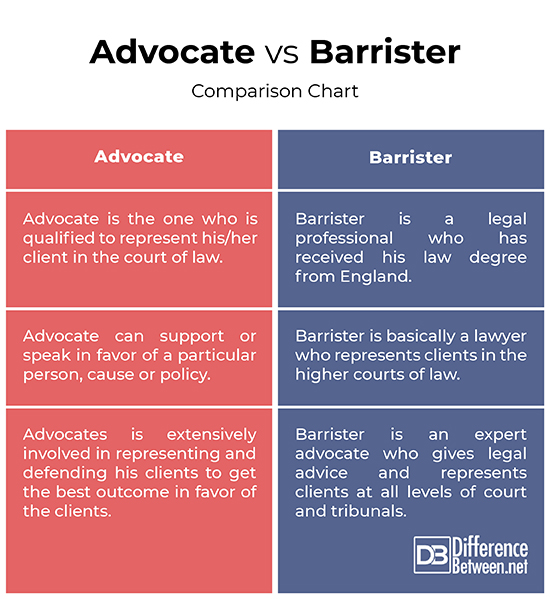
Credit: www.differencebetween.net
Attorney Vs. Lawyer: Differences In Roles And Duties
Attorneys and lawyers have distinct roles and responsibilities in the legal field. While lawyers handle legal matters and represent clients in court, attorneys have a broader scope, including providing legal advice and representing clients in various non-litigation matters. Understanding these differences is crucial when seeking legal assistance.
Legal matters can be quite complex, and it's important to have the right professionals by your side. When it comes to seeking legal advice or representation, you'll often encounter the terms "attorney" and "lawyer. " While these terms are often used interchangeably, they actually have slight differences in their roles and duties.
Let's explore these differences below:
Responsibilities Of An Attorney:
- Attorneys, also known as attorneys at law, are legally trained professionals who specialize in providing legal services to clients.
- They have completed law school and passed the bar exam, gaining the necessary licenses to practice law.
- Attorneys have the authority to represent clients in court, prepare legal documents, and provide legal advice and opinions.
- Some common responsibilities of attorneys include drafting contracts, negotiating settlements, and representing clients in criminal or civil cases.
- Attorneys have a fiduciary duty to act in the best interests of their clients and maintain client confidentiality.
Duties Of A Lawyer:
- The term "lawyer" is a broader one, encompassing both attorneys and other legal professionals who provide legal advice but may not necessarily be licensed to practice law.
- Lawyers can work in various capacities, including government agencies, corporate settings, or nonprofit organizations.
- They may specialize in different areas of law, such as tax law, immigration law, or intellectual property law.
- Lawyers often engage in legal research, assist in preparing legal documents, and provide general legal advice.
- While lawyers cannot represent clients in court or provide legal services that require a law license, they still play a vital role in supporting attorneys and clients with their legal needs.
Comparing Attorneys And Lawyers:
- Attorneys have completed law school, passed the bar exam, and hold licenses to practice law, while lawyers may or may not have similar qualifications.
- Attorneys have a broader scope of legal authority, including representing clients in court, while lawyers' roles are generally confined to providing legal advice and support.
- Attorneys are subject to professional regulations and ethical obligations, ensuring a higher level of accountability compared to lawyers.
Understanding these subtle differences between attorneys and lawyers can help you identify the right professional for your specific legal needs. Whether you require legal representation in court or simply need sound legal advice, consulting with an attorney or lawyer can provide the guidance and expertise necessary to navigate the complexities of the legal system.
Other Similar Law Terms
Attorney and lawyer may be used interchangeably, but they have distinct differences. An attorney is a licensed legal professional who represents clients in court, while a lawyer is a general term that refers to anyone with a law degree.
In the legal field, there are several terms that are often used interchangeably or mistakenly assumed to have the same meaning. However, it's crucial to understand the subtle differences between these terms. Let's explore some of the other similar law terms:
1. Advocate:
- An advocate is someone who represents or defends a client in a legal proceeding, typically in court.
- They present arguments on behalf of their clients and aim to achieve a favorable outcome.
2. Barrister:
- A barrister is a type of lawyer who specializes in courtroom advocacy.
- They provide expert legal advice and argue cases in higher-level courts.
- Barristers are often engaged by solicitors to represent clients in court.
3. Counsel:
- Counsel is a term that refers to legal advice or guidance provided by a lawyer.
- It can also refer to a barrister or solicitor who provides legal representation.
4. Solicitor:
- A solicitor is a legal professional who provides legal advice, prepares legal documents, and represents clients in certain courts.
- They are often the first point of contact for clients seeking legal assistance.
5. Legal Consultant:
- A legal consultant is an expert in a specific area of law who provides advice and guidance to clients on legal matters.
- They may not be qualified lawyers, but they have in-depth knowledge of the law in their specialized area.
6. Attorney At Law:
- An attorney at law is a term commonly used in the United States to refer to an individual who is qualified and licensed to practice law.
- Their primary role is to provide legal representation and advice to clients.
7. Legal Counsel:
- Legal counsel refers to a lawyer or a team of lawyers who provide legal advice and services to individuals, organizations, or governments.
- They assess legal issues, handle negotiations, and help clients navigate complex legal matters.
8. Legal Advisor:
- A legal advisor is a professional who provides legal guidance and advice to clients, usually in a specific area of law.
- They assist clients in understanding their legal rights and responsibilities.
9. Jurist:
- A jurist is a legal scholar or expert in law. They possess in-depth knowledge and understanding of legal principles and theories.
- Jurists may include judges, legal academics, or individuals who contribute to legal research and policy-making.
10. Legal Expert:
- A legal expert is an individual with extensive knowledge and expertise in a specific area of law.
- They are often called upon to provide their expert opinion or testimony in legal proceedings.
Understanding these terms can help clarify the roles and responsibilities of different legal professionals.
Attorney Vs. Lawyer Vs. Counsel: What Are The Differences?
Attorney, lawyer, and counsel are often used interchangeably, but there are subtle differences. An attorney is a legal professional who can represent clients in court, while a lawyer refers to someone who has a law degree. Counsel, on the other hand, typically refers to a lawyer who provides legal advice and guidance.
Legal terminology can often be confusing, especially when it comes to similar-sounding terms like attorney, lawyer, and counsel. While these terms are often used interchangeably, they do have distinct differences that are important to understand. We'll dive into the nuances of attorney, lawyer, and counsel and explore their unique roles and responsibilities in the legal field.
Attorney:
- An attorney is a broad term used to refer to anyone who is authorized to act on behalf of another individual or entity in legal matters.
- Attorneys are licensed professionals who have undergone extensive education and training in the law.
- They provide legal advice, represent clients in court, and draft legal documents, among other duties.
- Attorneys can specialize in various areas of law, such as criminal law, corporate law, family law, or intellectual property law.
Lawyer:
- A lawyer is a more generic term that encompasses both attorneys and other legal professionals.
- While all attorneys are lawyers, not all lawyers are necessarily attorneys. The term "lawyer" is sometimes used to refer to individuals who have studied law but may not have passed the bar exam or obtained a license to practice law.
- Lawyers can work in various capacities, such as legal consultants, legal writers, legal researchers, or legal analysts.
- Some lawyers may choose not to practice law directly but instead utilize their legal knowledge in alternative fields, such as academia, journalism, or business.
Counsel:
- Counsel is often used as a synonym for attorney or lawyer, but it also holds a specific meaning within certain legal contexts.
- In some jurisdictions, the term "counsel" refers to the legal representation in court, particularly in criminal cases.
- It is common to hear phrases like "defense counsel" or "prosecution counsel" to describe the attorneys representing the defendant or the government in a criminal trial, respectively.
- Additionally, "counsel" can refer to legal advice given by an attorney or a team of attorneys, emphasizing the role of providing guidance and assistance to clients.
Understanding the differences between attorney, lawyer, and counsel can help clarify the roles and responsibilities of legal professionals. Whether you need legal advice, representation in court, or assistance with drafting legal documents, it's essential to work with a knowledgeable and experienced attorney who can navigate the complexities of the legal system on your behalf.
Credit: www.investopedia.com
Frequently Asked Questions On Attorney Vs Lawyer: What Are The Differences?
Are Lawyer And Attorney The Same Thing?
Lawyer and attorney are terms used interchangeably to refer to legal professionals who provide legal advice and represent clients in legal matters. Both terms have the same meaning and can be used to describe individuals who are licensed to practice law.
What Is The Difference Between Attorney And Lawyer Vs Esquire?
Attorney, lawyer, and Esquire are often used interchangeably. Esquire is an honorary title given to lawyers. Attorney refers to someone who represents clients in legal matters. Lawyer is a general term for someone who practices law. They all essentially mean the same thing, a legal professional.
What Is It Called When You Hire An Attorney?
When you hire an attorney, it is called legal representation.
What Is The Difference Between A Lawyer And An Attorney In Texas?
In Texas, the terms lawyer and attorney are often used interchangeably. Both refer to professionals who provide legal services and are authorized to represent clients in court.
Conclusion
To sum up, understanding the distinction between an attorney and a lawyer is crucial when navigating the legal world. While the terms are often used interchangeably, an attorney holds a broader scope of legal knowledge and can represent clients in court.
On the other hand, a lawyer is a general term that encompasses various legal professionals. Whether you need legal representation, advice, or assistance, knowing the nuances between an attorney and a lawyer will undoubtedly help you make informed decisions that align with your specific legal needs.